Refreshing your home with a new interior paint job is one of the most cost-effective ways to transform your space. But when it comes to budgeting for interior painting in India in 2026, many homeowners wonder: What factors determine the cost, and how can I plan smartly?
At PlanMySpace Interior Design, Chennai, we believe in transparency and helping you make informed decisions. This guide breaks down the key components that influence interior painting cost, so you can estimate your budget without focus on fixed numbers.
Why Interior Painting Costs Vary
Painting is more than just applying color to walls — it involves planning, preparation, materials, and finish quality. The final cost depends on:
- Size & Height of the Area
Larger rooms and high ceilings require more paint, more labor, and more time. A compact living room will typically cost less than a sprawling open-plan space.
- Choice of Paint & Finish
Interior paint comes in several types, and the finish you choose greatly affects the budget:
- Basic emulsion paints — A good choice for everyday walls with a smooth finish
- Washable or low-VOC paints — Ideal for homes with children or sensitive occupants
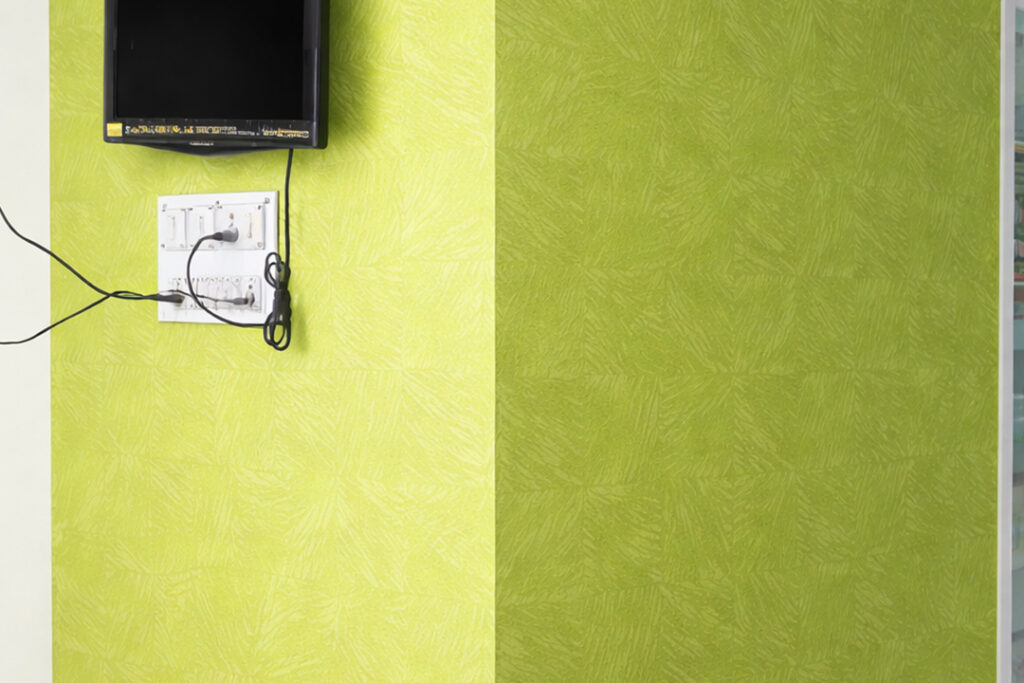
- Premium finishes (e.g., silk, satin, textured effects) — Offer richer look and durability
Higher-quality paints and finishes usually mean a richer look and longer life — but also influence overall cost.
- Surface Condition & Preparation Work
Before painting begins, walls are assessed and prepared. This can include:
- Filling cracks and dents
- Smoothing rough plaster
- Removing old paint or stains
- Priming the surface
Walls in excellent condition need minimal prep. But older or uneven surfaces need careful attention, which extends time and labor.
- Number of Coats Applied
Most interior painting projects require:
- A primer coat for adhesion
- Two or more top coats for color depth and durability
More coats mean longer time and slightly more material — all of which factor into cost.
- Type of Tools & Techniques Used
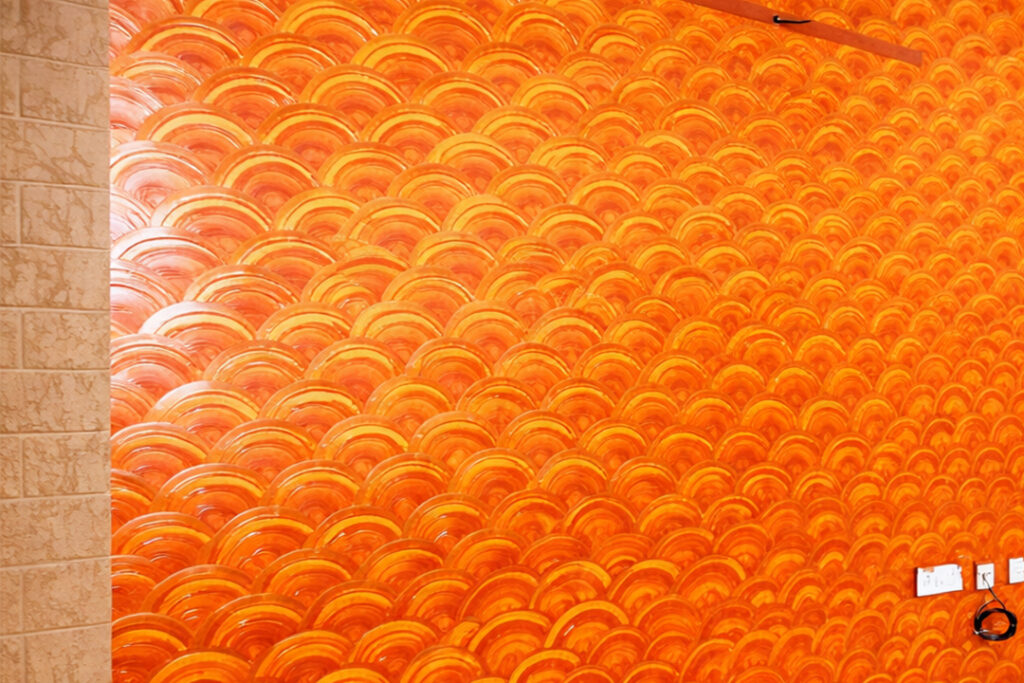
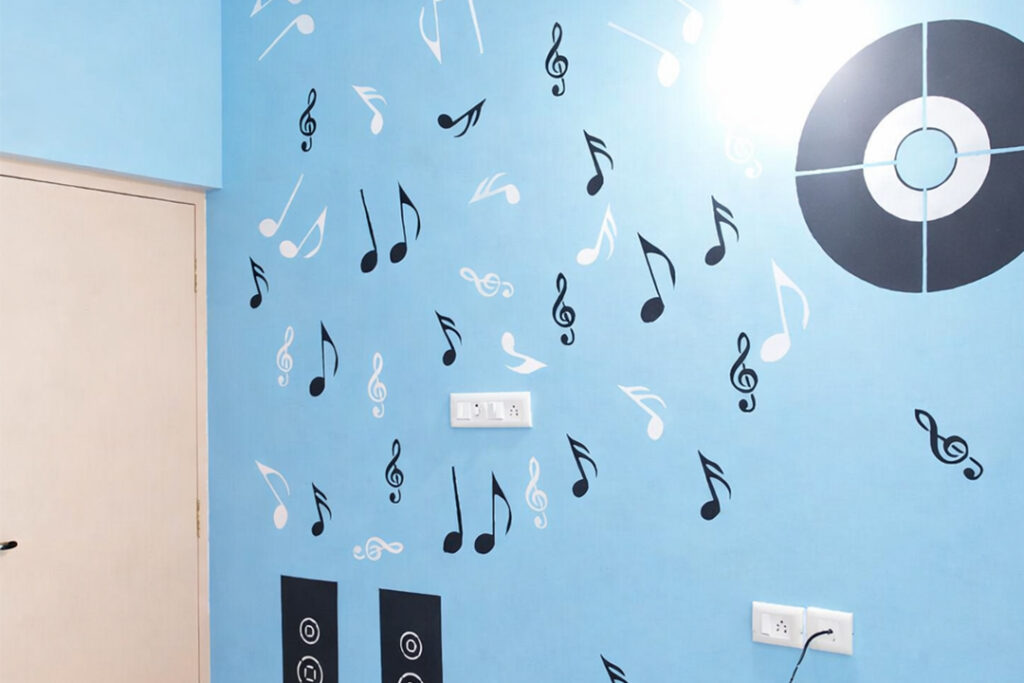
Professional painters use quality brushes, rollers, sprayers, and protective masking. Specialty tools or decorative techniques (e.g., two-tone finishes, wall art, stencils) can elevate your space — and influence the overall estimation.
- Fixtures, Cornices & Obstacles
Painting around intricate moldings, built-in furniture, high shelves, and special architectural details adds to complexity and time. Spaces that are easy to access usually cost less to finish.
- Labor Charges & Location
Labour considerations include:
- Skill level of painters
- Experience with interior finishes
- City or region variation
In metro and urban areas like Chennai, well-trained painters may charge differently compared to smaller towns — but you also benefit from faster turnaround and better finish quality.
How to Budget for Interior Painting in 2026
Here’s how you can plan a smart painting budget without needing specific figures:
✔ Define Your Painting Goals
- Do you want a simple refresh?
- Are you looking for special finishes or accent walls?
- Will you repaint ceilings and trims too?
Answering these early helps shape your material and labor needs.
✔ Choose Paint Quality Based on Usage
- Standard rooms → Durable and washable emulsion
- High-traffic areas → Premium, stain-resistant paints
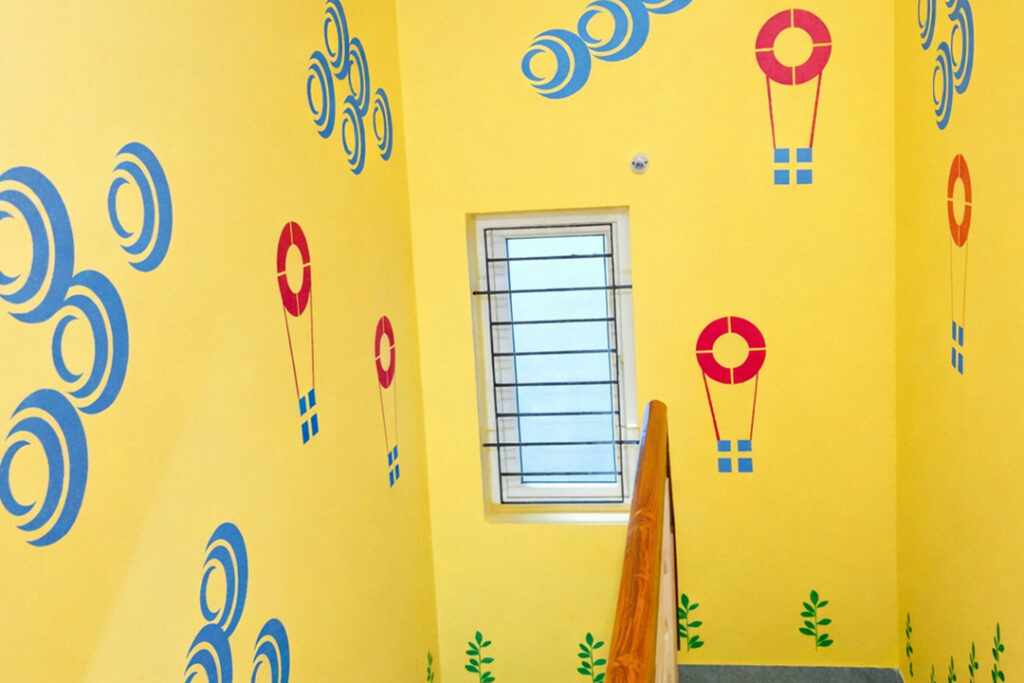
- Kids’ rooms / sensitive areas → Low-odor, health-safe paints
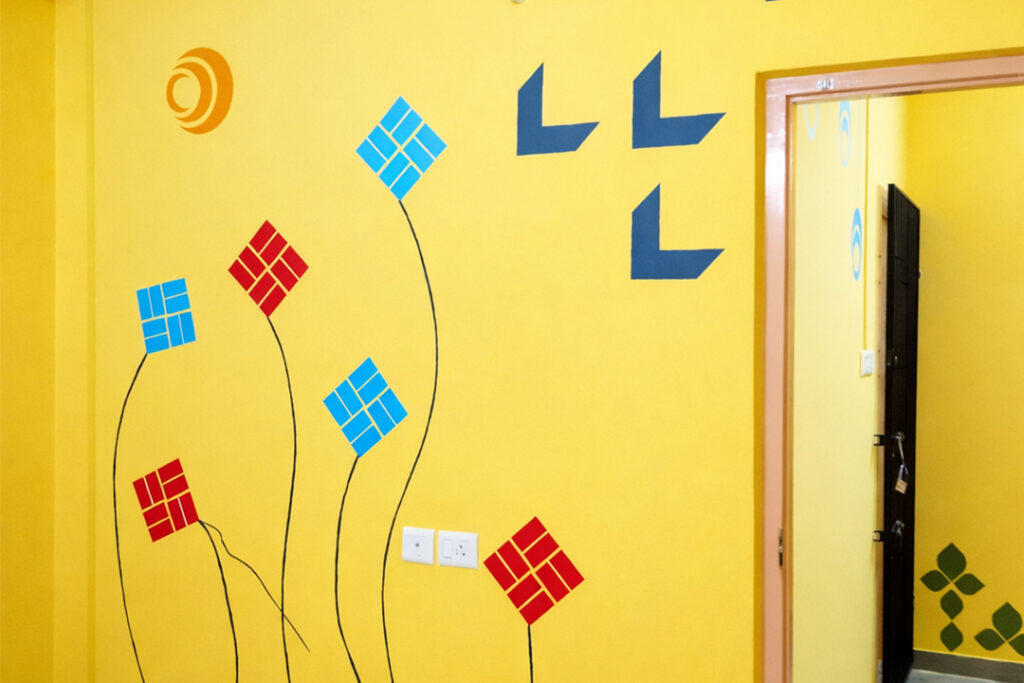
Interior Painting Trends in 2026
In 2026, home painting trends in India include:
🎨 Warm neutrals and earthy tones — Creating cozy, timeless spaces
🎨 Accent walls with textured finishes — Adding depth without overwhelming
🎨 Eco-friendly paints — Increasing demand due to health and environmental awareness
🎨 Two-tone walls and mild contrasts — For subtle design sophistication
These trends can influence paint choice and project planning.
✔ Prepare the Walls Beforehand
Well-maintained walls require less prep work and fewer coats. Consider repairs and plastering before painting begins for a smoother final finish.